November 25, 2026
Professional insulation contractors help homeowners improve energy efficiency, indoor comfort, and overall property performance. They evaluate existing insulation, identify areas of heat loss, and recommend materials suited to each property's needs. Their expertise helps ensure insulation projects are completed correctly and meet applicable building standards.
A professional assessment is especially valuable because insulation problems are not always easy to recognize. Uneven indoor temperatures, high utility bills, and rooms that remain uncomfortable throughout the year can indicate inadequate insulation. Contractors understand how different building components affect thermal performance and can identify areas that need attention.
By working with experienced professionals, homeowners can make informed decisions about insulation improvements. Rather than choosing materials based on general recommendations, they receive guidance based on their property's actual condition. This approach helps prioritize improvements and avoid unnecessary expenses.
Improving Energy Efficiency and Reducing Costs
One of the primary benefits of professional insulation is lower energy consumption. Proper insulation helps retain heat during winter and reduce heat gain during summer, allowing heating and cooling systems to operate more efficiently. Over time, these improvements can contribute to lower utility bills and reduced strain on HVAC equipment.
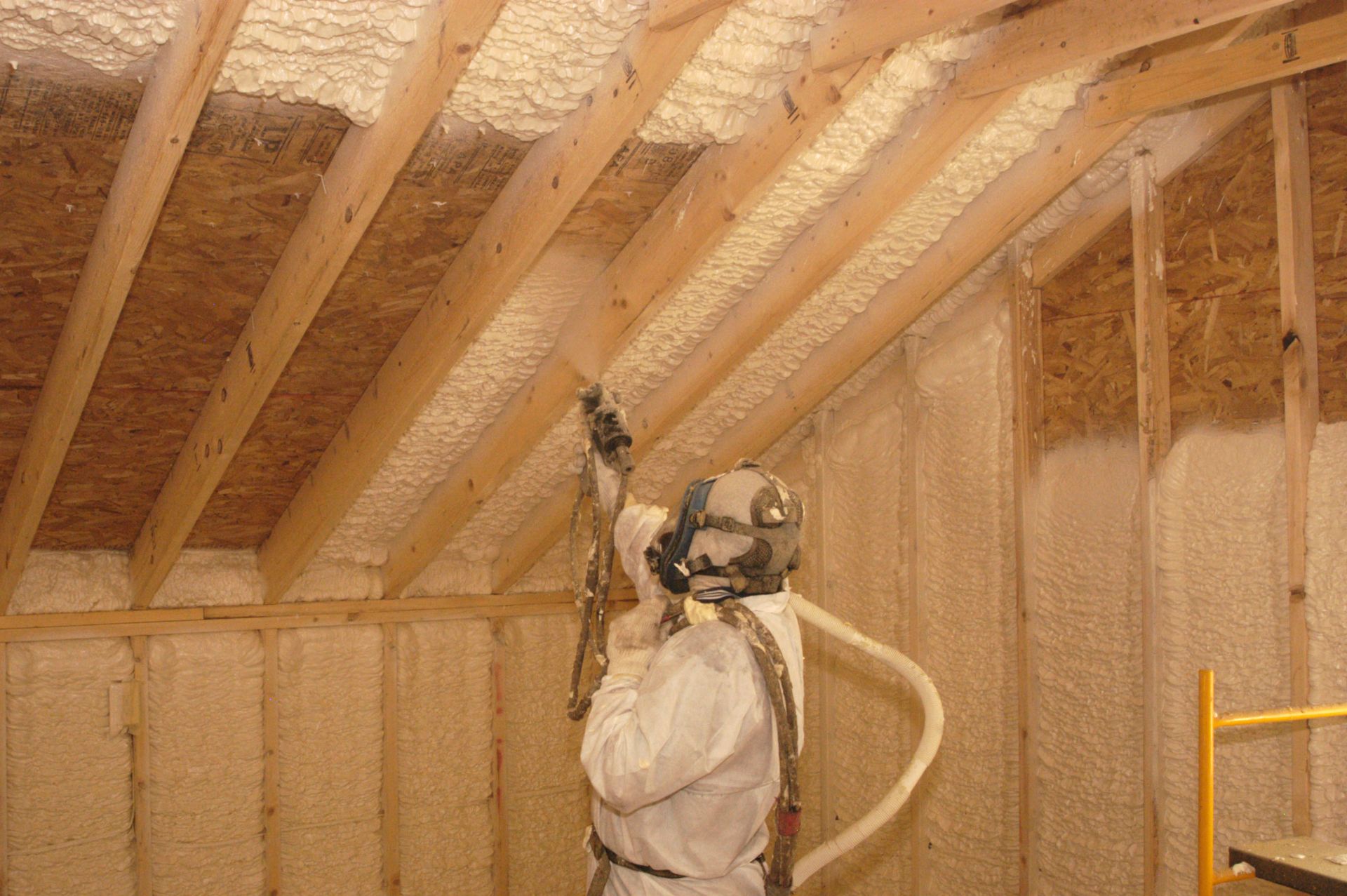
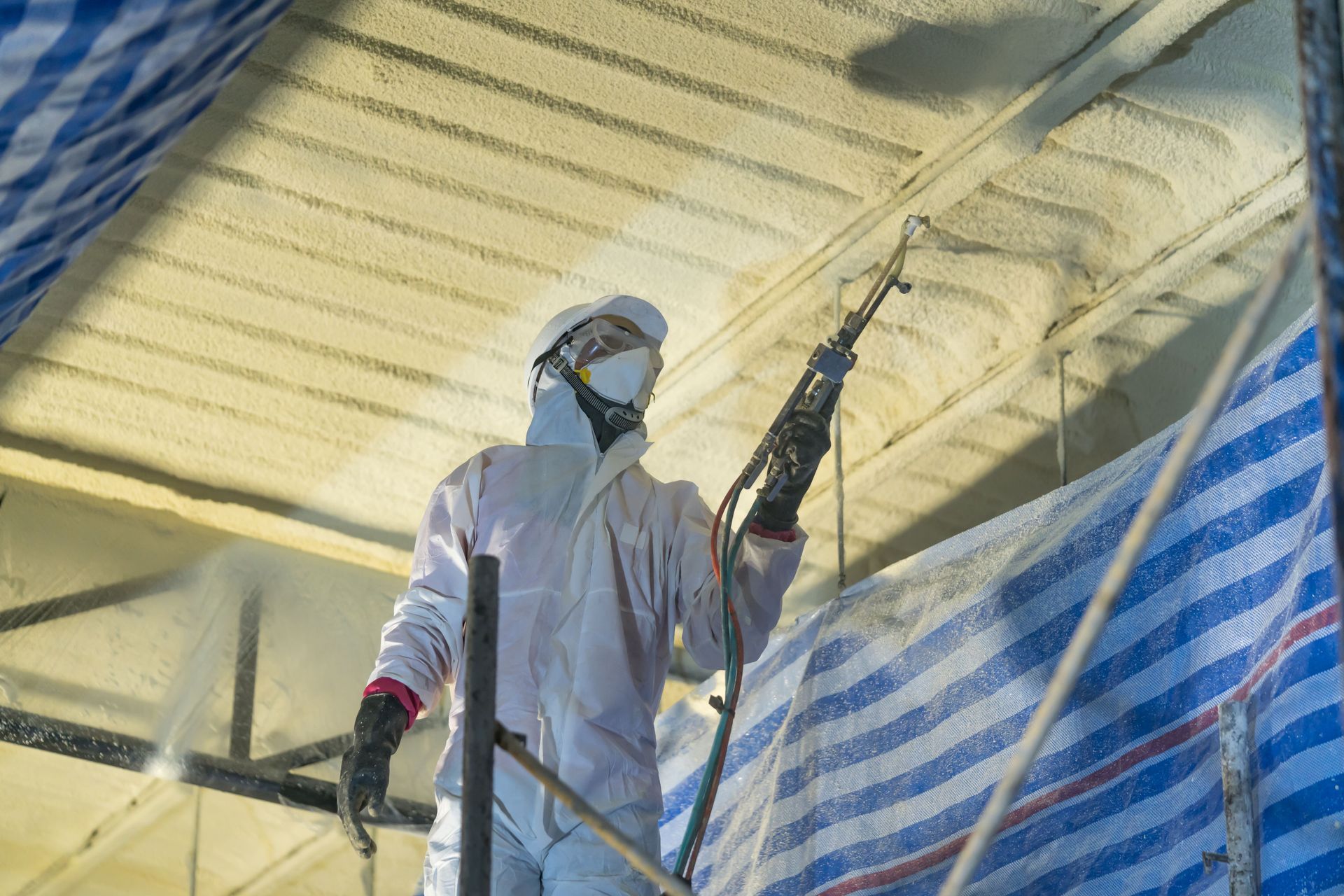
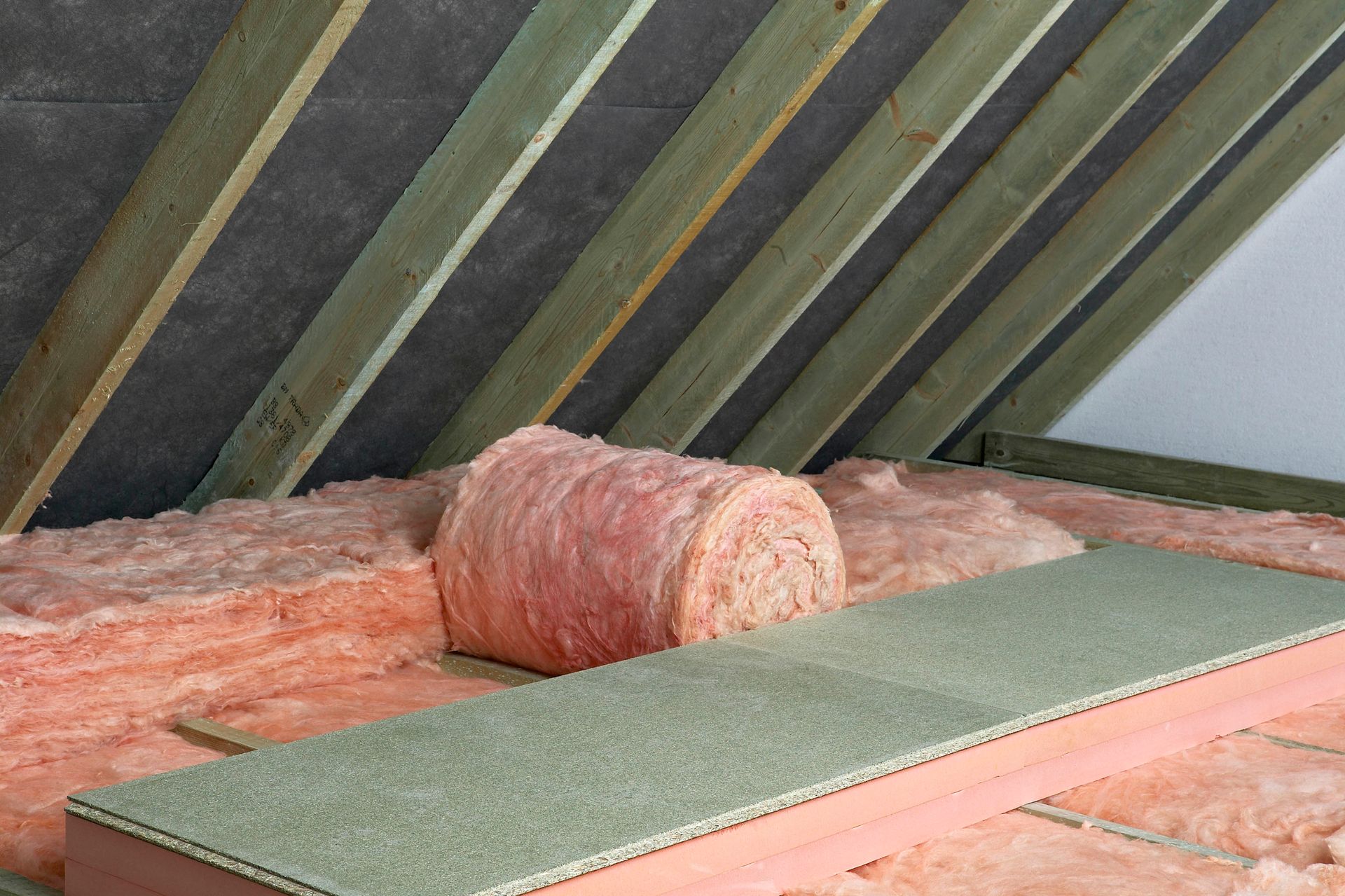
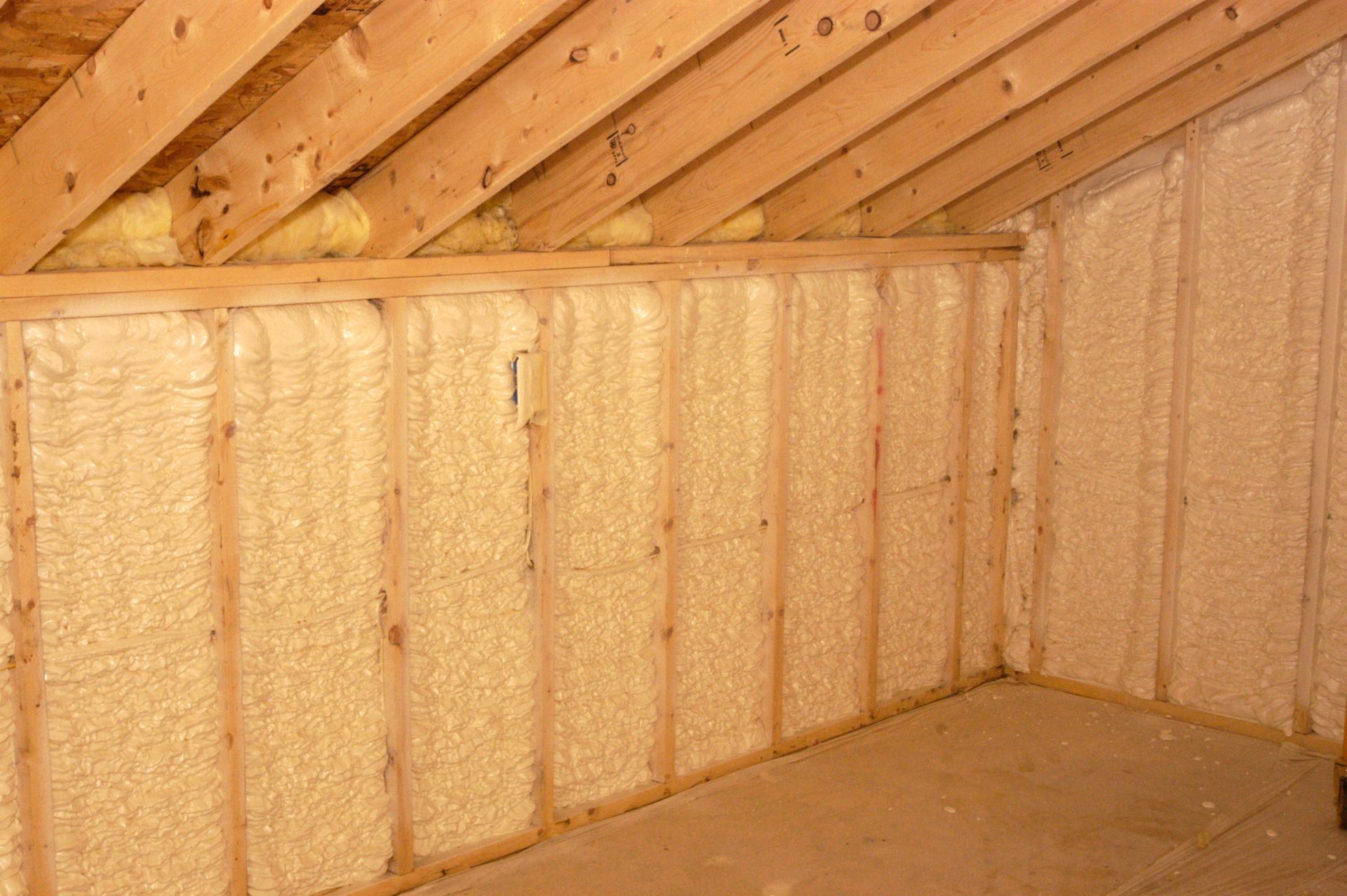
Insulation contractors also understand how to select materials based on a home's construction and climate. Fiberglass, cellulose, rigid foam, and spray foam each offer different advantages depending on the application. Professional recommendations help homeowners choose solutions that provide lasting performance.
Energy efficiency also affects the overall comfort of a property. When insulation is inadequate, certain rooms may become noticeably colder or warmer than others. Improving insulation can help create more consistent temperatures throughout the home, reducing uncomfortable fluctuations.
Another important consideration is the relationship between insulation and heating and cooling equipment. When a home loses too much heat or allows excessive heat inside, HVAC systems may need to run more frequently. Proper insulation helps reduce this demand, potentially supporting longer equipment life and more predictable energy expenses.
According to IBIS World, U.S. insulation contracting firms directly employ 74,382 wage-and-salary workers. This demonstrates the substantial workforce supporting residential and commercial insulation projects throughout the country. Experienced professionals bring specialized knowledge that helps property owners make informed decisions.
Protecting Installation Quality and Performance
Proper installation is essential for getting the most from insulation materials. Gaps, inconsistent coverage, and incorrect material placement can reduce thermal performance and contribute to unnecessary energy loss. Professional insulation contractors have the training and equipment needed to complete installations accurately.
Material selection is only one part of a successful insulation project. Contractors must also consider the property's existing structure, ventilation requirements, and potential moisture concerns. These details influence how insulation should be installed and help prevent problems that could affect long-term performance.
Many contractors also offer warranties covering certain materials or installation-related issues. Homeowners should review coverage details, exclusions, and service agreements before approving a project. Working with a company that stands behind its services provides additional peace of mind.
Quality assurance is particularly important when insulation is installed in areas that are difficult to access. Attics, crawl spaces, and enclosed wall cavities require careful attention because installation problems may not be immediately visible. Professional inspections help confirm that materials are properly placed and that the completed work meets project expectations.
Homeowners should also consider the expected lifespan of different insulation products. Some materials require different levels of maintenance or may be more appropriate for particular environmental conditions. Contractors can explain these differences and help property owners understand what to expect from their investment.
Supporting Healthier Indoor Environments
Insulation improvements can help reduce unwanted air infiltration and support more consistent indoor conditions. Gaps in walls, ceilings, and other building areas may allow dust, outdoor pollutants, and allergens to enter living spaces. Proper insulation and air sealing can help address these concerns while supporting appropriate ventilation.
Moisture management is another important consideration. Condensation can contribute to dampness and mold growth when warm air encounters colder surfaces. Experienced contractors can identify insulation deficiencies and recommend improvements that help protect building materials and indoor comfort.
Certain insulation materials also provide sound-control benefits. They can reduce noise transmission between rooms and limit outside disturbances. This can make homes more comfortable, particularly in busy neighborhoods.
Indoor humidity is another factor that influences residential comfort. Poorly insulated areas may experience temperature differences that contribute to condensation and uncomfortable conditions. Professional evaluations help identify potential problem areas and determine whether insulation improvements should be combined with other building performance upgrades.
It is also important to recognize that insulation works alongside a home's ventilation system. Proper airflow helps maintain indoor air quality, while appropriate insulation supports temperature regulation. Insulation contractors who understand these relationships can recommend improvements that account for the overall indoor environment rather than focusing on insulation alone.
Customizing Solutions for Different Properties
Every property has unique insulation requirements based on its age, construction, and location. Older homes may need improvements to outdated insulation, while newer properties may have specific areas where energy loss occurs. Professional evaluations help identify the most appropriate upgrades.
Climate also influences insulation decisions. Temperature fluctuations, humidity, and seasonal weather conditions all affect material selection and installation requirements. Knowledgeable insulation contractors consider these factors when recommending solutions.
Historical properties require additional attention because improvements must preserve original architectural features. Contractors familiar with older buildings can recommend appropriate options while accounting for existing construction materials and structural considerations.
Different areas of a home may also require different insulation approaches. Attics, exterior walls, floors, basements, and crawl spaces each have distinct performance requirements. Selecting appropriate materials for these locations helps create a more complete insulation system.
Homeowners planning additions or renovations can also benefit from customized insulation recommendations. Changes to a property's layout may affect how heat moves between rooms and through exterior building components. Coordinating insulation improvements with other construction work can help prevent performance inconsistencies.
The property's long-term goals should also influence the recommended approach. Some homeowners prioritize reducing monthly energy expenses, while others are more concerned with improving comfort or addressing moisture problems. Professional guidance helps ensure that the project addresses the most important concerns.
Ensuring Efficient Project Completion
Professional contractors organize insulation projects around property assessments, material selection, installation, and final inspections. Their experience helps keep projects on schedule and reduces unnecessary disruptions. Coordination with builders, electricians, and HVAC technicians is also important when insulation is part of a larger renovation.
Specialized equipment and professional training allow contractors to handle different materials and installation environments safely. Their knowledge helps prevent common installation problems while supporting consistent results. Homeowners also benefit from clear communication about project costs, timelines, and expectations.
Project planning is particularly important for larger properties or buildings with multiple areas requiring attention. Insulation contractors must consider access, material quantities, scheduling, and the condition of existing insulation. Organized planning helps prevent unnecessary delays and makes the overall process easier to manage.
Professional companies also understand the importance of preparing work areas and maintaining an organized job site. Depending on the project, insulation installation may involve working around existing electrical systems, plumbing, and structural components. Experienced professionals account for these conditions to support safe and effective completion.
After installation, a final review helps confirm that the work meets the agreed-upon specifications. Homeowners can discuss the completed improvements, ask questions about material performance, and review any available warranty information. This final communication helps establish clear expectations for the finished project.
Choosing the Right Insulation Professionals
Selecting an experienced contractor is an important part of achieving dependable insulation results. Homeowners should consider experience, insurance coverage, customer reviews, material options, and applicable licensing requirements. Detailed estimates should explain the recommended improvements, materials, costs, and expected project timeline.
It is also helpful to ask contractors about their experience with similar properties and insulation applications. A company familiar with the specific challenges of a building type may be better equipped to recommend appropriate solutions. Comparing multiple proposals can provide a clearer understanding of available services and expected costs.
Communication should remain a priority throughout the selection process. Reliable professionals explain their recommendations, answer questions, and provide realistic expectations about project completion. Homeowners should feel comfortable discussing concerns before committing to an insulation installation.
Professional insulation services can improve energy efficiency, indoor comfort, and long-term property performance. Ram Insulation Inc can help evaluate your property's insulation needs and recommend solutions designed to deliver lasting benefits. Contact Ram Insulation Inc today to learn more about professional insulation services and schedule an assessment.