August 21, 2026
Residential insulation plays an important role in maintaining a comfortable, energy-efficient home. It helps slow the transfer of heat between indoor and outdoor spaces, making it easier to keep rooms warm during winter and cool during summer. When insulation becomes damaged, compressed, deteriorated, or simply too outdated for the home, heating and cooling systems may have to work harder to maintain comfortable temperatures.
Insulation does not always show obvious signs of failure, either. Some problems appear as drafts or unusually high energy bills, while others may only become noticeable when certain rooms feel significantly warmer or colder than the rest of the house. Understanding these warning signs can help homeowners determine when an upgrade may be worthwhile.
The demand for better insulation also reflects its importance in modern construction and home improvement. According to Fact.MR, the global insulation market is projected to reach USD 144.7 billion by 2035. For homeowners, this broader trend highlights the continued focus on improving building efficiency through effective insulation.
How Do I Know If My Home's Insulation Is Old?
The age of a home's insulation can provide an important clue about whether an upgrade is appropriate. Older homes may contain insulation materials that no longer provide the level of thermal performance expected from modern products. Previous renovations may also have left certain sections of the home with inconsistent insulation coverage.
One way to investigate is by checking accessible areas such as an unfinished attic, basement, crawl space, or utility area. Insulation that appears flattened, damaged, wet, or uneven may not be performing effectively. Gaps around pipes, electrical fixtures, ducts, and other penetrations can also create pathways for conditioned air to escape.
Homeowners should also consider whether their insulation has been exposed to moisture. Water can damage certain insulation materials and contribute to mold or structural problems in surrounding areas. Pest activity can create another concern, as rodents and insects may disturb or destroy insulation over time.
If the insulation is difficult to assess visually, a professional inspection can provide a more complete picture. An assessment can identify areas with insufficient coverage and determine whether adding new material or replacing existing insulation would provide the best results.
What Are the Benefits of Upgrading Residential Insulation?
One of the primary benefits of upgrading residential insulation is improved energy efficiency. Effective insulation reduces the rate at which heat moves through ceilings, walls, floors, and other parts of the building envelope. This can reduce the amount of work required from heating and cooling equipment.
Better insulation can also contribute to more consistent indoor temperatures. Rooms located above garages, beneath attics, or along exterior walls can sometimes become uncomfortable when insulation is inadequate. Addressing these areas may help reduce temperature differences throughout the house.
Energy savings can be another advantage. While the exact savings depend on factors such as climate, home size, existing insulation, and HVAC efficiency, reducing heat transfer can potentially lower heating and cooling demand. This makes residential insulation an important consideration for homeowners looking for long-term improvements rather than temporary solutions.
Comfort is equally important. A home that maintains stable temperatures can feel more pleasant throughout the year, particularly during periods of extreme outdoor temperatures. Improved insulation may also help reduce some outside noise, depending on the material and location.
Are There Specific Signs That Indicate Poor Insulation?
Several everyday problems can indicate that a home's insulation is no longer performing adequately. Persistent drafts are one of the most recognizable signs. If certain areas remain noticeably colder or warmer than others, insufficient insulation or air leakage could be contributing to the problem.
Unusually high energy bills can provide another warning. Utility costs naturally fluctuate with weather and energy prices, but unexplained increases may indicate that heating or cooling equipment is working harder than necessary. Insulation is only one possible cause, so homeowners should consider other factors as well, including HVAC performance and air sealing.
Ice dams during winter can also point toward insufficient attic insulation or ventilation. When heat escapes into a cold attic, it can warm the roof surface unevenly and contribute to snow melting and refreezing along roof edges. This can create conditions that allow ice dams to develop.
Other signs include cold walls or ceilings, rooms that are difficult to heat or cool, and noticeable temperature changes near windows and exterior walls. In some cases, homeowners may also see deteriorating or disturbed insulation in accessible areas.
Addressing these warning signs early can prevent inefficient operation from becoming a long-term problem. A professional evaluation can help distinguish between insulation deficiencies and other sources of energy loss.
How Often Should Residential Insulation Be Replaced or Upgraded?
There is no universal replacement schedule for residential insulation. Unlike some home components that have predictable service intervals, insulation can remain effective for many years when it is properly installed and protected from moisture, pests, and physical damage.
Instead of replacing insulation based solely on age, homeowners should consider its condition and performance. Older insulation may still function adequately, while newer insulation can require attention if it has been damaged by water, pests, remodeling, or other issues.
Homeowners can consider having insulation assessed when purchasing an older property, completing a major renovation, or noticing unexplained comfort and energy-efficiency problems. An inspection can help determine whether additional insulation can be installed over the existing material or whether removal and replacement are necessary.
Upgrading residential insulation can also make sense when other parts of the home's energy system are being improved. For example, replacing an HVAC system without addressing significant insulation deficiencies may limit some of the potential benefits of the new equipment.
What Types of Insulation Materials Are Best for Homes?
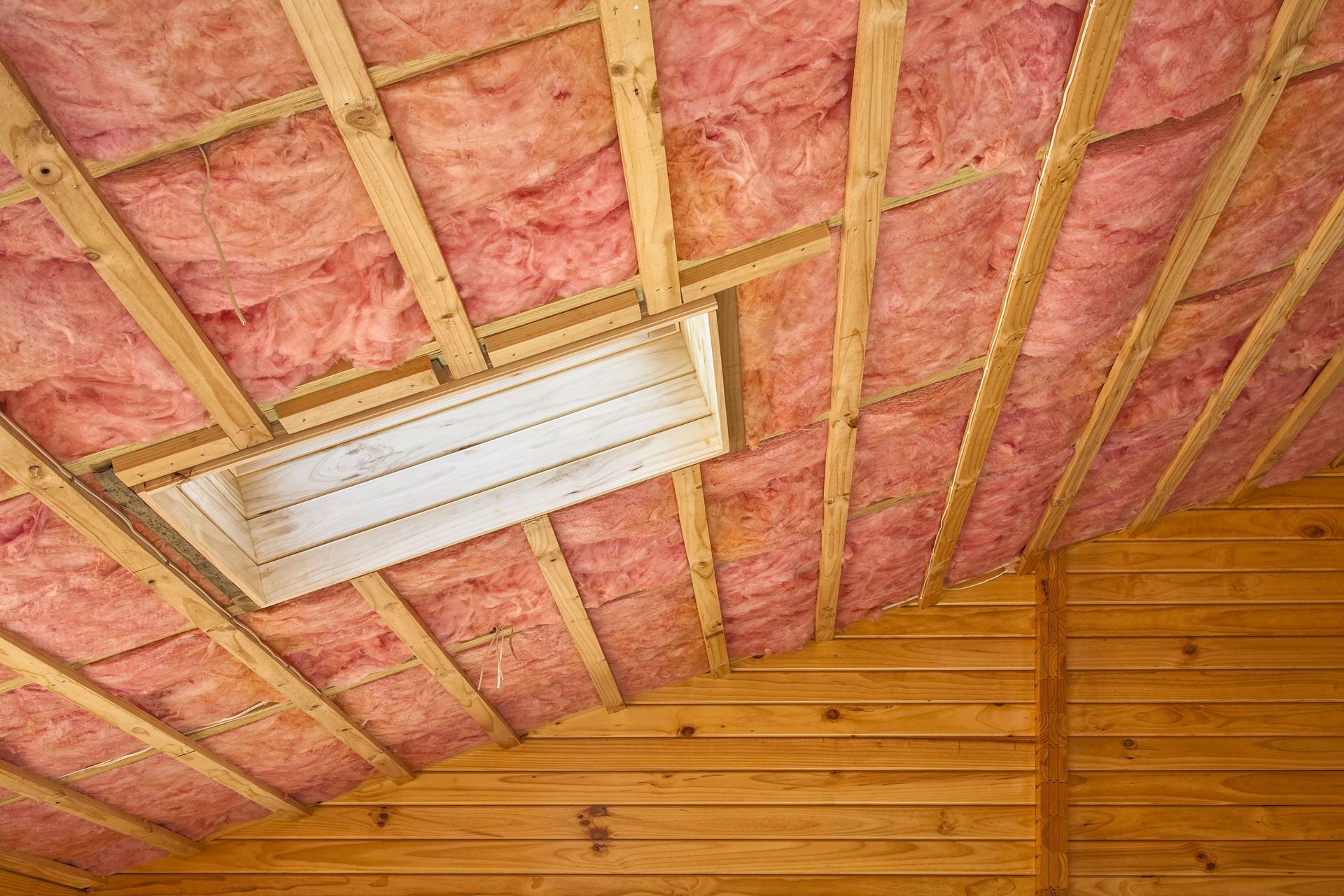
Several insulation materials are commonly used in residential applications, and each has advantages depending on the location and goals of the project. Fiberglass is widely used because it is relatively affordable and available in both batt and loose-fill forms. It is commonly installed in attics, walls, floors, and other accessible areas.
Cellulose is another option, particularly for attics and existing walls where loose-fill material can be blown into place. Made primarily from processed paper fibers, cellulose can provide effective coverage when properly installed.
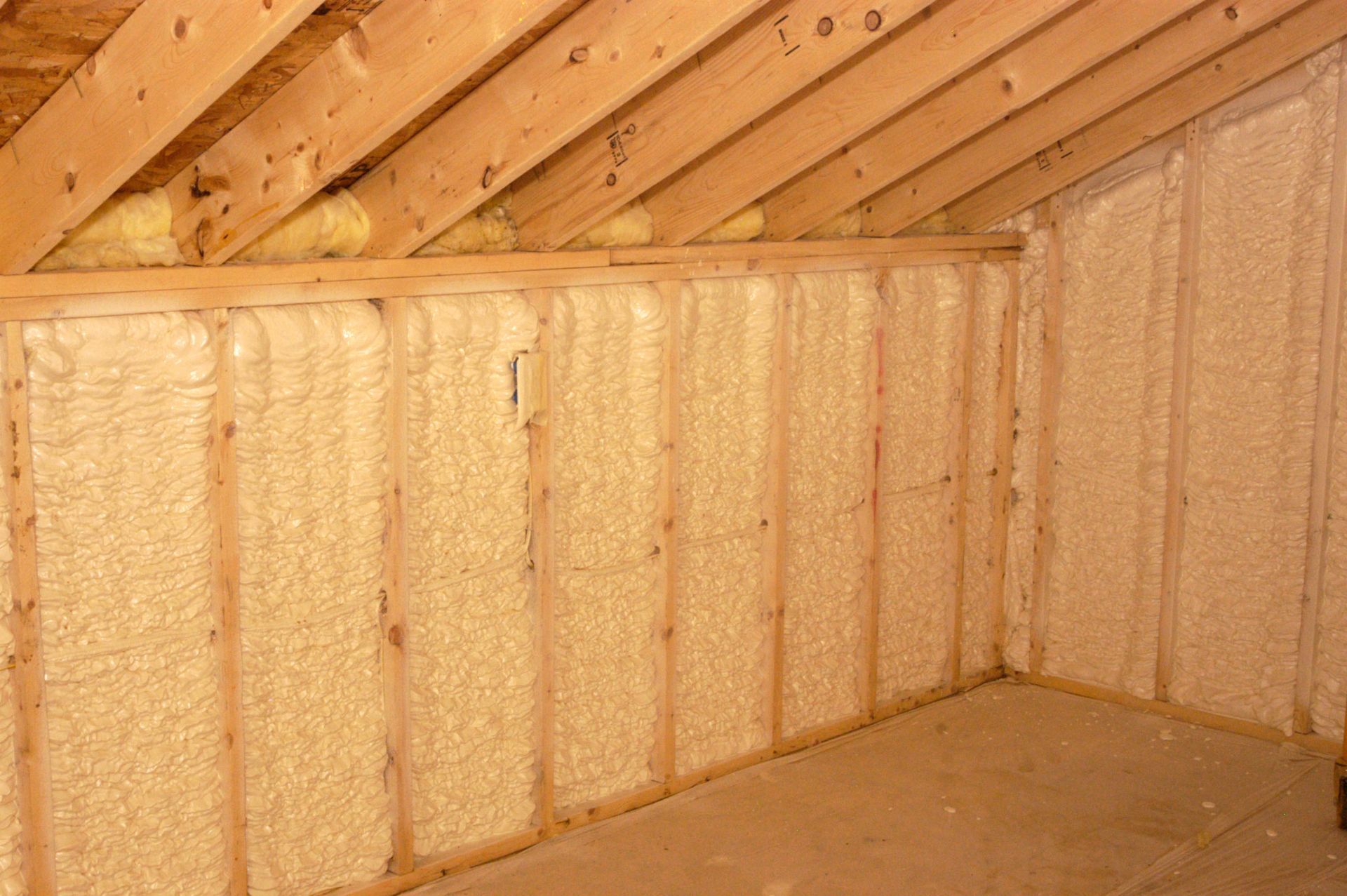
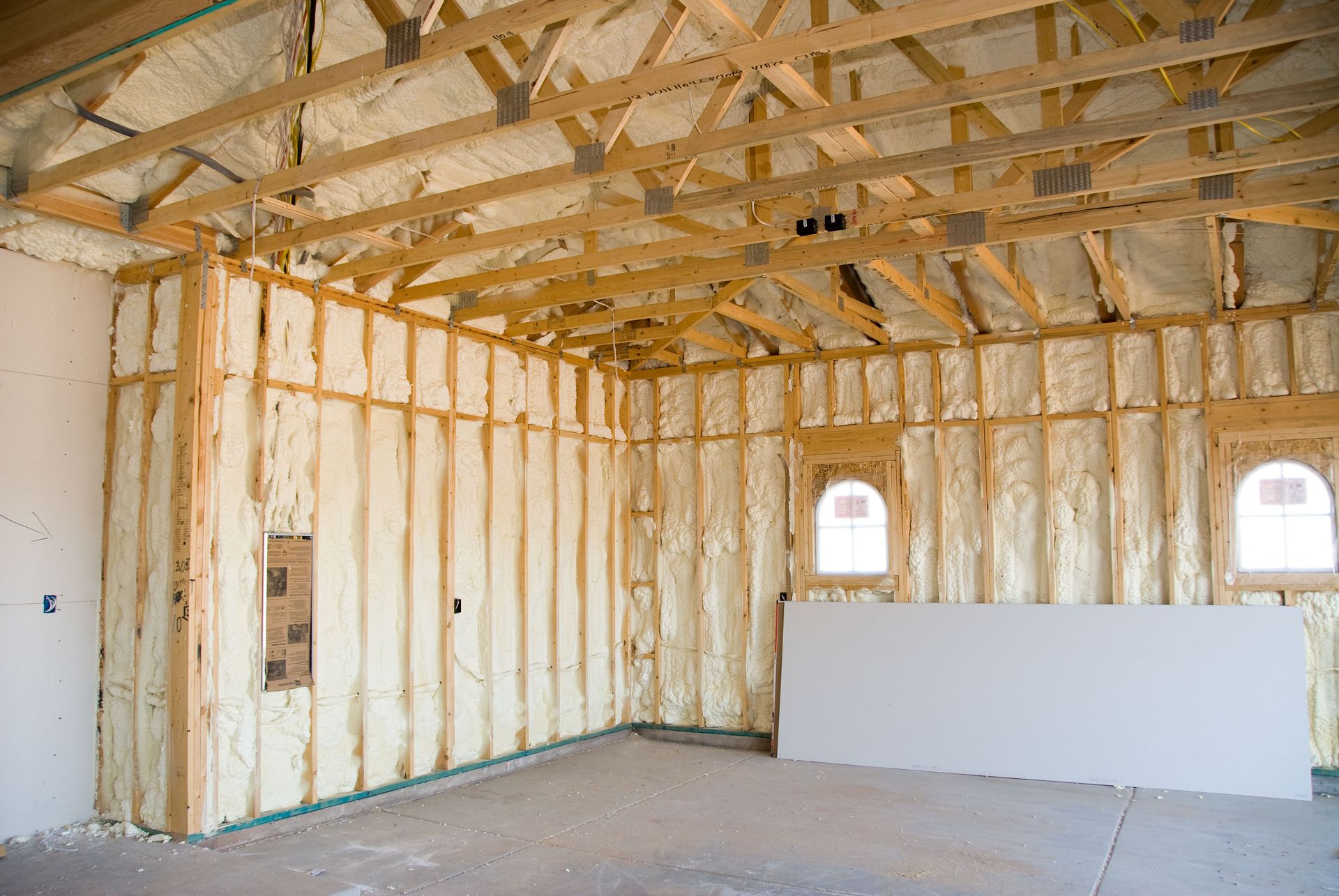
Spray foam is often selected when homeowners want both insulation and air-sealing capabilities. It expands after application and can fill gaps and irregular areas that are difficult to address with conventional batts. However, it generally costs more than some traditional insulation options and should be installed according to appropriate safety and building requirements.
Rigid foam boards can also be useful in specific applications, including exterior walls, foundations, and areas where space is limited. Their performance and installation requirements vary by product.
Choosing the right residential insulation ultimately depends on factors such as the part of the home being insulated, local climate, available space, budget, and desired performance. A qualified insulation professional can evaluate these factors and recommend an appropriate approach.
Insulation can have a substantial effect on a home's comfort and energy performance. Drafts, uneven temperatures, rising energy bills, damaged materials, and other warning signs may indicate that existing insulation needs attention. Older homes can be particularly worth assessing, especially when their insulation has never been upgraded or its condition is unknown.
Homeowners do not necessarily need to replace insulation simply because it is old. Instead, its condition, coverage, moisture exposure, and effectiveness should be evaluated. When deficiencies are identified, upgrading the appropriate areas can improve temperature consistency while potentially reducing heating and cooling demands.
Investing in quality residential insulation can therefore be a practical long-term home improvement. By identifying problems early and selecting materials suited to the property's construction and climate, homeowners can create a more comfortable and efficient living environment. If you're looking to upgrade your insulation, reach out to the team at Ram Insulation Inc!