November 5, 2026
Southern California summers can push air conditioners to their limits, and cool winter nights keep furnaces cycling more than many homeowners realize. When your heating and cooling equipment seems to run nonstop, the problem may not lie with the equipment at all. Often, the culprit is a home that lets conditioned air escape and allows outdoor temperatures to creep inside. A professional residential insulation service can address this hidden issue and give your HVAC system the support it needs to run efficiently. Below, we explore how insulation reduces the strain on your heating and cooling equipment, which areas of your home deserve attention, and why professional installation makes a meaningful difference.
Understanding How Heat Loss Overworks Your HVAC System
Heat naturally moves from warmer areas to cooler ones. During summer, heat from the sun-baked roof and outdoor air pushes into your living space. In winter, the warmth your furnace produces drifts toward colder areas, such as the attic or crawl space. Insulation slows this movement, creating a barrier that helps your home hold onto the temperature you set on the thermostat.
When insulation is thin, compressed, damaged, or missing, your HVAC system must replace lost air again and again. That means longer run times, more frequent cycling, and greater wear on motors, compressors, and fans. Many homeowners notice warning signs like rooms that never feel comfortable, a system that rarely shuts off, and energy bills that climb year after year. Scheduling a residential insulation service allows a professional to evaluate your home and pinpoint where your thermal barrier falls short.
Sealing the Attic to Keep Conditioned Air Inside
The attic is often the largest source of energy loss in a home. Because heat rises, warm air escapes through an under-insulated attic during cooler months. In summer, attic temperatures can soar well above the outdoor temperature, and that heat radiates down into the rooms below. Your air conditioner then works overtime to counteract the heat pouring through the ceiling.
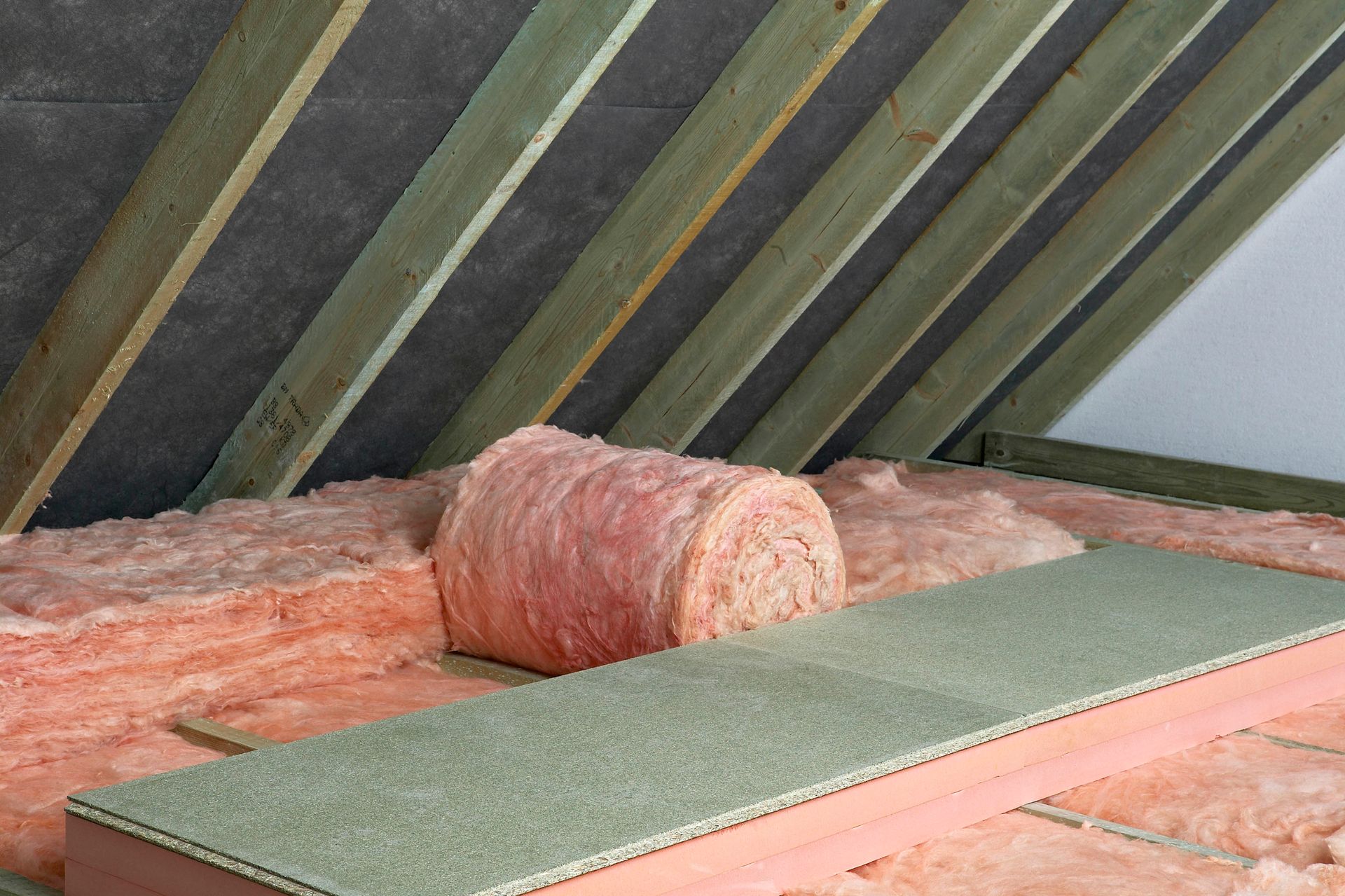
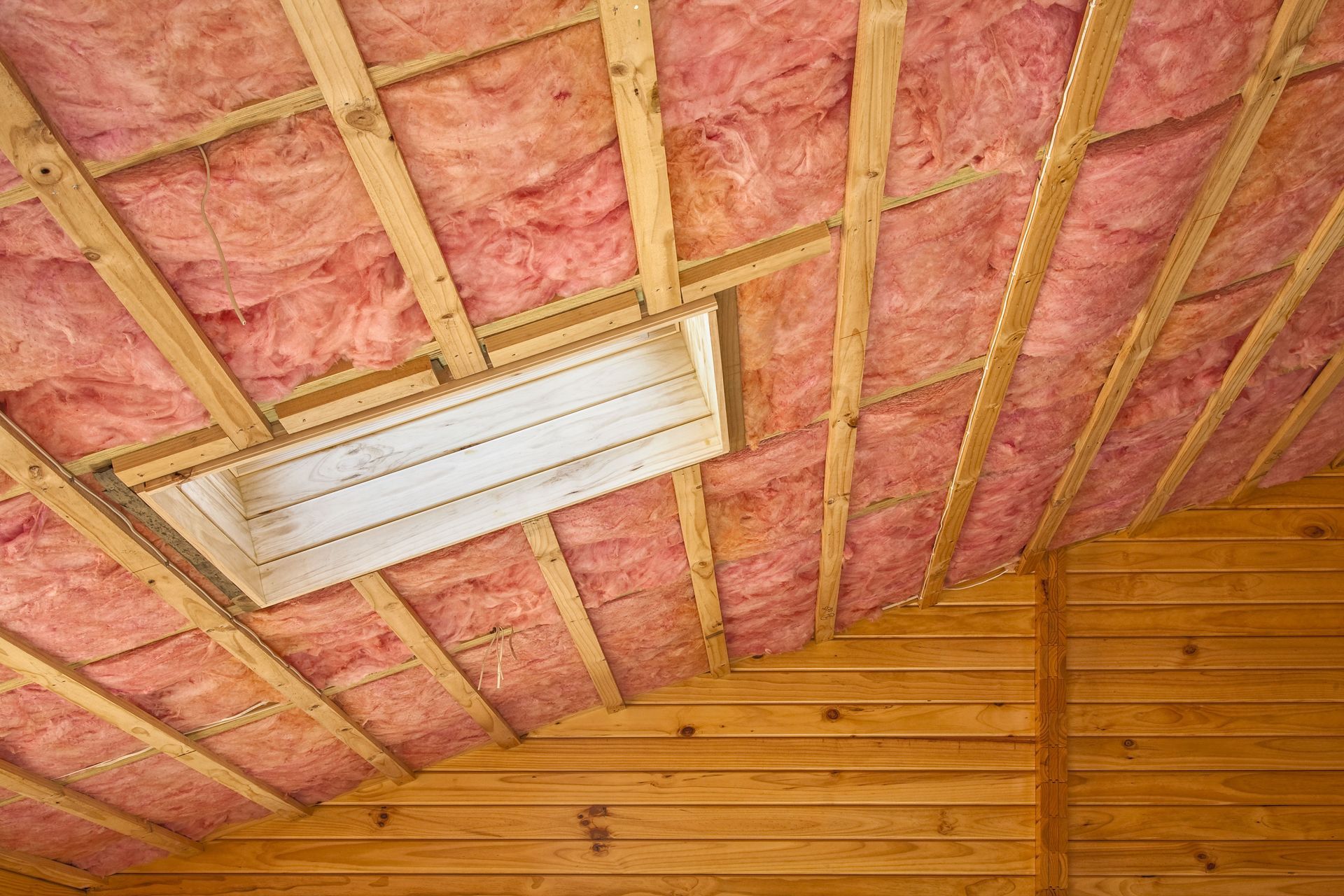
Adding or upgrading attic insulation is one of the most effective ways to ease this burden. According to Energy Star, homeowners who add insulation to their attics, floors above crawl spaces, and reachable basement rim joists can cut their heating and cooling expenses by roughly 15%. Those savings reflect less work for your HVAC equipment, which translates into fewer hours of operation and less stress on its components. A thorough residential insulation service also includes an inspection for gaps, air leaks, and areas where existing material has settled or deteriorated over time.
Insulating Crawl Spaces and Floors for Steadier Temperatures
Floors above crawl spaces present another common weak point. Without proper insulation, cold air from below can chill the floors in winter, while humid air may make rooms feel muggy and uncomfortable. Your heating system then compensates by running longer to keep your feet warm and your living spaces comfortable.
Crawl space insulation creates a buffer between the ground and your home's living areas. It helps maintain consistent floor temperatures, reduces drafts, and can limit the moisture that contributes to mold and mildew growth. Because crawl spaces are tight, dirty, and sometimes difficult to access, this job is far better suited to trained installers than a weekend do-it-yourself project. Professionals have the equipment and experience to work safely in these confined areas and install material correctly the first time.
Upgrading Wall Insulation to Balance Every Room
Do certain rooms in your home always feel warmer or cooler than the rest? Uneven temperatures often point to gaps in wall insulation. Exterior walls that lack adequate insulation allow outdoor temperatures to seep inside, creating hot and cold spots that leave you constantly adjusting the thermostat. Each adjustment asks more of your HVAC system as it tries to balance conditions throughout the house.
Upgrading wall insulation helps distribute comfort more evenly from room to room. With a stronger thermal envelope, your heating and cooling equipment can reach the target temperature faster and maintain it with less effort. A residential insulation service can determine whether your walls need additional material and recommend the right solution for your home's construction.
Choosing Spray Foam for Hard-to-Reach Gaps
Some areas of a home are difficult to insulate with traditional materials. Irregular cavities, rim joists, and the spaces around pipes, wiring, and vents can leave small openings that let air slip through. Over time, these minor leaks add up and force your HVAC system to work harder than necessary.
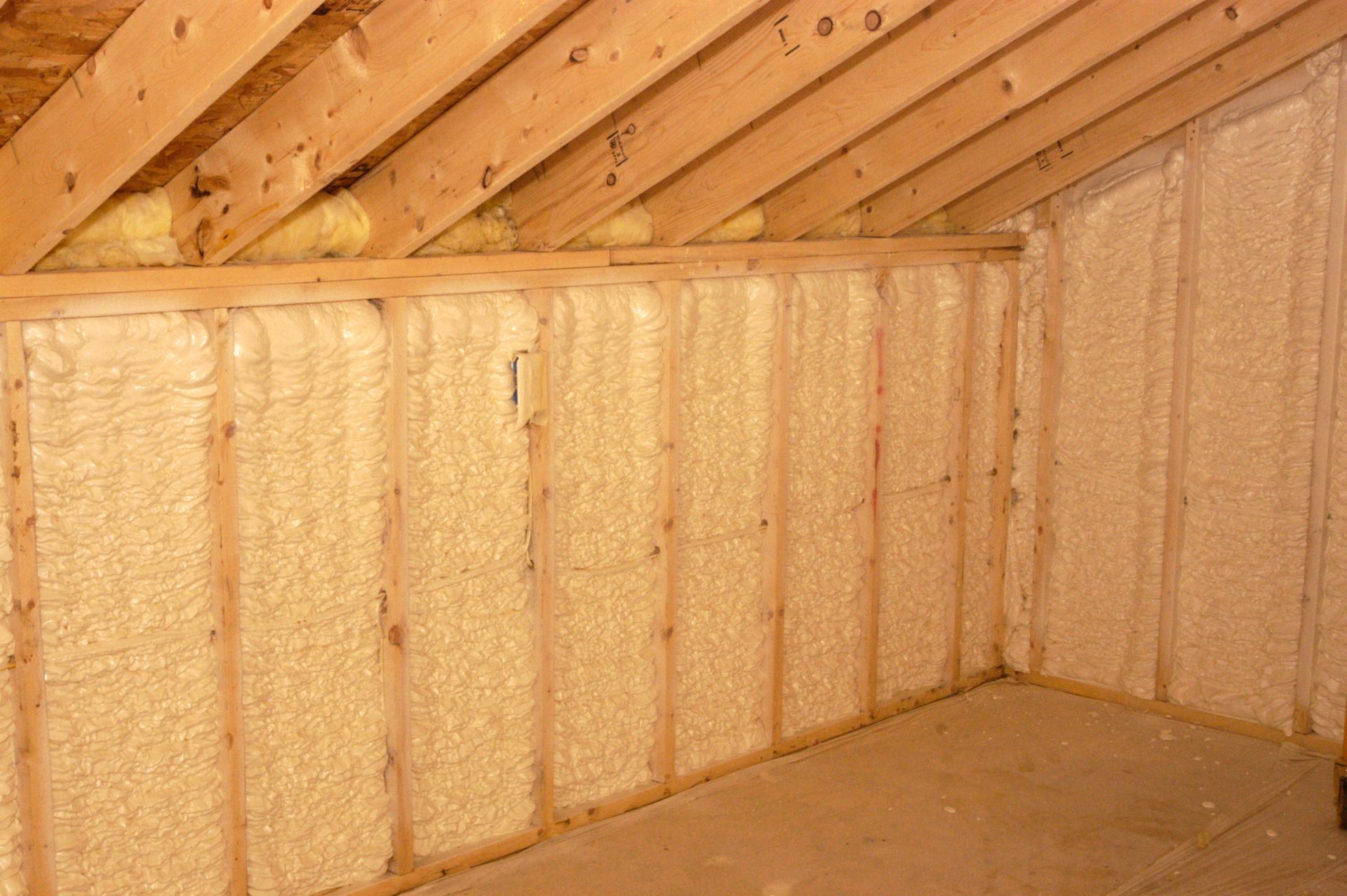
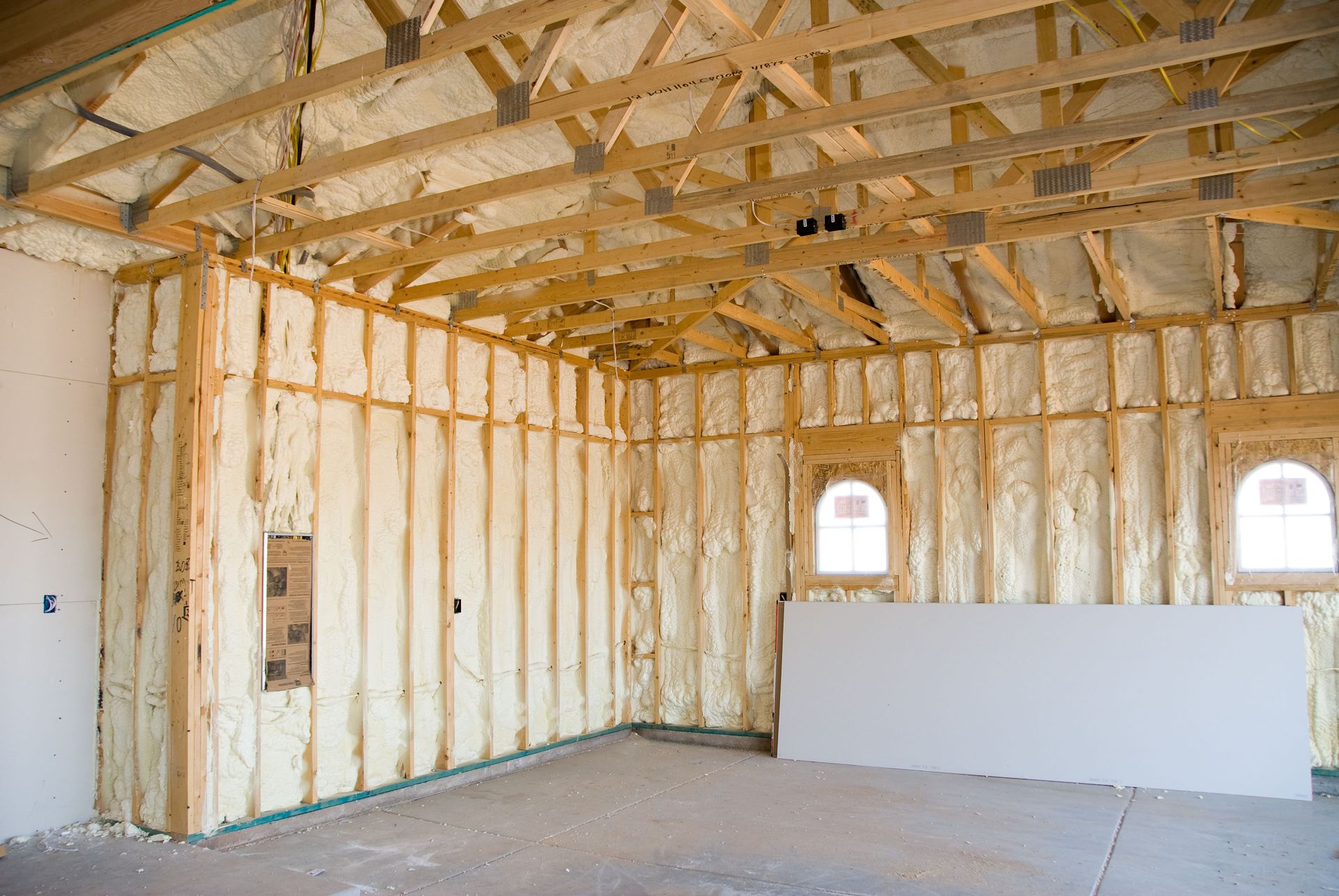
Spray foam insulation expands to fill cracks, crevices, and oddly shaped spaces, creating an effective air seal in places other materials can't reach. It offers both insulating value and air-sealing benefits in one application, making it a strong choice for homeowners who want to minimize energy loss. Because spray foam requires specialized equipment, precise mixing, and careful application, homeowners should leave this job to trained professionals. When you invest in a residential insulation service that includes spray foam, you gain a tighter, more efficient home.
Extending the Life of Your Heating and Cooling Equipment
An HVAC system represents a significant investment, and protecting that investment should be a priority for every homeowner. When your equipment runs constantly to make up for poor insulation, its parts wear out faster. Compressors, blower motors, and other components endure more stress, which can lead to more frequent repairs and an earlier replacement date.
Proper insulation reduces the number of hours your system needs to operate each day. Less runtime means less wear, fewer breakdowns, and a longer service life for your equipment. In our experience, homeowners who address insulation problems often find that their heating and cooling systems cycle less frequently and run more quietly. Pairing routine HVAC maintenance with a professional residential insulation service gives your equipment a strong chance of reaching its full lifespan.
Hiring Professionals for Lasting Results
While some homeowners attempt to add insulation themselves, DIY projects often lead to disappointing results. Gaps, compressed material, improper coverage, and blocked ventilation can undermine insulation's effectiveness and even create new problems, such as moisture buildup. Handling certain materials also requires protective gear and safety precautions that many homeowners don't have on hand.
Professional installers know how to assess your home's specific needs, select the right materials, and apply them according to building codes and manufacturer guidelines. They can also identify related issues, such as air leaks or ventilation concerns, that might otherwise go unnoticed. Choosing a licensed and insured residential insulation service protects your home and ensures you receive the full energy-saving benefits insulation can provide. Look for a provider that offers prompt quotes, stands behind its work with a warranty, and takes the time to answer your questions.
Your HVAC system shouldn't have to fight against your home to keep you comfortable. Adding or upgrading insulation in the attic, walls, and crawl space reduces the workload on your heating and cooling equipment, lowers energy costs, and helps your system last longer. By investing in a professional residential insulation service, you create a more comfortable, efficient home for years to come.
If you're ready to ease the strain on your HVAC system, we're here to help. At Ram Insulation Inc, we provide attic, crawl space, wall, and spray foam insulation for homeowners throughout Southern California. We offer free quotes within 24 hours, same-day appointments, and a 1-year warranty on all jobs. Contact us today to schedule your residential insulation service and start enjoying a more energy-efficient home!